

Average Electricity Bill In Germany- How to Cut Down Energy Costs?
Are you familiar with German electricity being the most costly in the world?
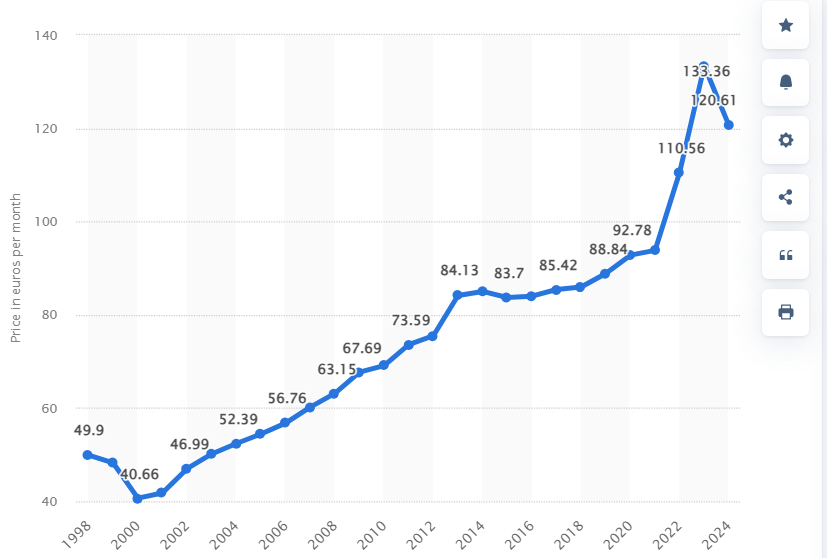
By the end of 2021, electricity prices were 0.34$ per kWh in Germany and 0.16$ in the United States, a big difference of 2.1.According to a Statista report, the average monthly electricity bill for three people in Germany is about 120.6 euros, making energy and electricity costs a major concern for households. Knowing how to cut energy costs is crucial to addressing Germany's current electricity crisis.
Knowing how to cut energy and electricity expenses is crucial to addressing Germany’s ongoing electricity crisis. In this article, we break down the average electricity bill in Germany and highlight effective ways to reduce energy costs while maintaining reliability—even during power outages.
Average Electricity Bill in Germany
Germany was declared one of the countries with the highest electricity prices in the world, which escalated further after the Russian-Ukraine war.
In the second half of 2022, the average household with a yearly electricity use of 3500 kWh was charged 116.86 euros in a month. When the internal European energy market was discovered, this price corresponds to a total price increase of 134% compared to 1998. Compared to many years ago, electricity costs were 37% higher in December 2022.
In 2024, the average monthly electricity bill in Germany for three persons was nearly 120.6 euros. As of April 2022, they were billed an average of 5.42 and 7.74 euro cents per kWh.
To reduce such elevated prices, Germany is also taking measures by offering grants and loans to make energy storage solutions accessible to every citizen. We also provide practical ways to cut down energy costs.
Ways to Cut Down Energy Costs
Let’s learn about multiple ways to cut down energy costs effectively.
1.Install Renewable Energy Storage Systems
Germany is tremendously adopting renewable energy sources on a large scale to cut down energy costs and discard fossil fuels. For this, various options are investigated. A significant factor in this revolution to low-carbon energy and electricity prices is the implementation of renewable energy sources like sun and wind. So the question is, can solar energy be stored?
Yes—solar energy can be stored using solar panels, inverters, and battery storage systems. These systems allow excess energy to be stored and used later, especially during peak demand or unexpected power outages.
This storage doesn’t just refer to excessive energy that can be stored for later use during periods of less generation and peak demands. It also indicates that the energy can be deployed to short-term supply disruptions, such as power outages or problems with routine maintenance and generators.
A reliable solar energy storage system will allow users to keep their electric system running smoothly without interruption. For a deeper understanding of why electricity prices are driving this shift, you can explore this related article: How Rising Electricity Prices Are Driving Demand for Home Energy Storage.
2.Analyses the Monthly Electricity Usage
Another way to reduce energy costs is to analyze your mirror electricity usage. German electricity depends on your calculated usage, not your actual consumption. When your actual meter reading is taken, you'll get credited or refunded money on your electricity bill when you consume less than calculated.
Further, you can also save money in the year as your provider will adjust your monthly bill to match your lower electricity usage.
3.Adjust the Monthly Electricity Bill
Monitoring usage is essential for long-term savings, but if you need immediate relief, adjusting your electricity contract can help.
Choosing a flexible electricity provider with month-to-month contracts allows you to lower your payments faster and switch plans if better pricing becomes available.
4.Deploy Smart Plugs
Have you ever noticed that you could potentially save 500 kilowatts of electricity a year by unplugging unused appliances? This would save €185 in German electricity costs per year.
Apart from unplugging unused switches, you can also go with smart plugs that connect your device and appliances over a WiFi network and work with Bluetooth to enable you to switch your appliances from your phone.
5.Switch to LED Bulbs
Replacing halogen bulbs with LEDs is a simple yet powerful way to cut energy costs. LED bulbs use up to 80% less electricity, last longer, and are environmentally friendly, with up to 90% recyclable materials.
6.Use More Energy Efficient Devices
Replacing old devices with newer, Energy-efficient appliances is another great way to reduce German electricity costs.
Old devices can use about 10% to 50% more electricity than the new advanced energy-efficient devices. Only some of the most cost-effective and energy-efficient devices are the Philips bagless vacuum cleaner, Samsung washing machine, Samsung dishwasher, etc.
7.Go With Standing Lamps
You must love the character and glamour of old-style apartments in Germany. But the aesthetics and antique chandeliers in these apartments aren't the best for electricity costs.
To fix this problem, we recommend that you use standing lamps instead of ceiling lights. This way, you can light up your room and save money, as standing lamps are energy-efficient appliances.
What is the Best Way to Cut down Energy Costs in Germany?
Installing renewable energy storage solutions is the best way to reduce energy costs in Germany. These solutions reduce your grid dependency by generating electricity from sunlight and wind. You can store this energy in batteries like lithium-ion batteries for later use or during power outages.
But now the question is where to source cost-effective and highly reliable energy storage solutions. For homeowners seeking reliable and cost-effective solutions, Innotinum offers advanced residential energy storage systems supported by professional installation teams—helping households gain long-term control over their energy and electricity expenses.
Frequently Asked Questions About Electricity Bills in Germany
Why is the electricity bill in Germany so high compared to other countries?
Germany’s electricity bill is among the highest in the world due to a combination of factors, including high energy taxes, renewable energy surcharges, grid maintenance costs, and dependence on imported energy.
Can energy storage systems really reduce electricity bills?
Yes. Renewable energy storage systems allow households to store excess solar or wind energy and use it later, reducing reliance on the grid.
How can households protect themselves from power outages in Germany?
Installing a home energy storage system with battery backup is one of the most effective ways to safeguard against power outages. Stored energy can be used during grid failures, maintenance periods, or peak pricing hours, keeping essential appliances running smoothly.
Is investing in renewable energy storage worth it in Germany?
Absolutely. With rising electricity prices and government incentives such as grants and low-interest loans, renewable energy storage systems offer long-term savings.
Bottom Line
Germany is well known for its high electricity costs, but households are not without options. From smart usage habits to energy-efficient appliances, there are many ways to reduce your electricity bill.
However, investing in renewable energy storage is the most impactful solution. It not only cuts energy costs but can also generate returns through net metering—making it a smart and sustainable choice for the future. If you're looking for a reliable energy storage solution, Innotinum is a good choice. It's known for its reliability, durability, and high quality.